Google’s Gmail Privacy Push Shows the Real Adoption Battle for AI Features

Google’s Gmail Privacy Push Shows the Real Adoption Battle for AI Features
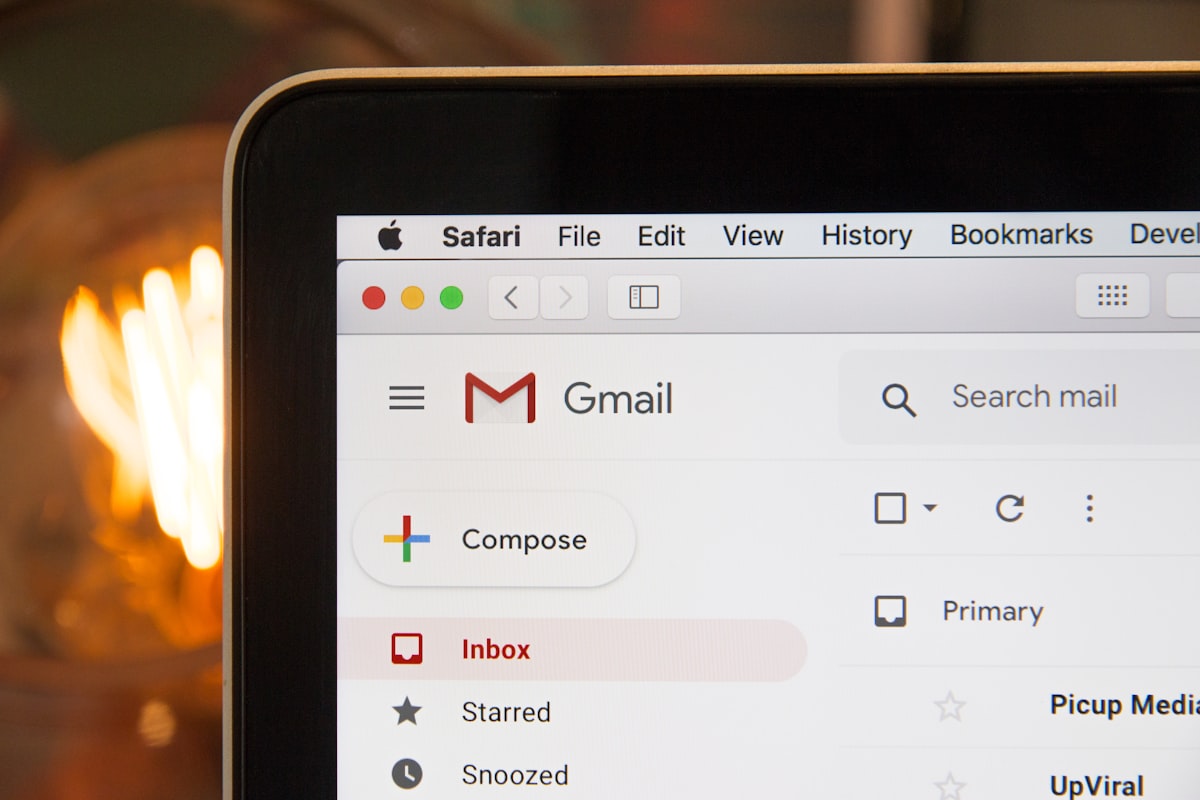
Google published a concise but important reminder of how Gemini works inside Gmail: personal emails are not used to train foundational models, task-specific access is isolated, and Gemini does not retain inbox data after completing the request. On the surface, that sounds like a standard privacy clarification. In practice, it is a product adoption message.
That matters because trust is becoming the gating factor for AI inside core work tools. Users may like summaries, drafting help, and search assistance, but they will hesitate if they think private data is being absorbed into model training or stored beyond the task. Google is trying to remove that friction by making the privacy model explicit.
The broader market signal is that privacy explanations are becoming part of launch strategy. In sensitive software categories, capability announcements increasingly need a parallel trust narrative. If users cannot quickly understand the data boundary, many will treat the feature as risky even when the underlying system is designed conservatively.
For PMs, the takeaway is simple: privacy architecture is now part of product design, not just legal messaging. If your AI feature touches high-sensitivity workflows like email, docs, finance, or support, users need to understand exactly what the model sees, what it keeps, and what it learns from. Better capability will not overcome unclear trust boundaries.
Source: Google