MCP Servers vs APIs: What’s the Difference?
How AI assistants connect to your tools, what MCP adds, and when an API is enough.

How AI assistants connect to your tools, what MCP adds, and when an API is enough.
How to design AI products around a real task, explained through the simple example of returning an online order.
Fresh agent runs can still inherit information through shared package services, artifacts and workspaces. Here is how to check the boundary.
A field guide for deciding when a vibe-coded app can move from internal testing to real customers.
Products built for people need new identity, authority, observability and recovery controls when AI agents become active users.
Jev returns bounded choices and probabilities instead of prose. Its real lesson for product teams is where generation should end and ordinary software should take control.
Production voice agents need one loop for live conversation, another for reliable execution, and application-owned state between them.
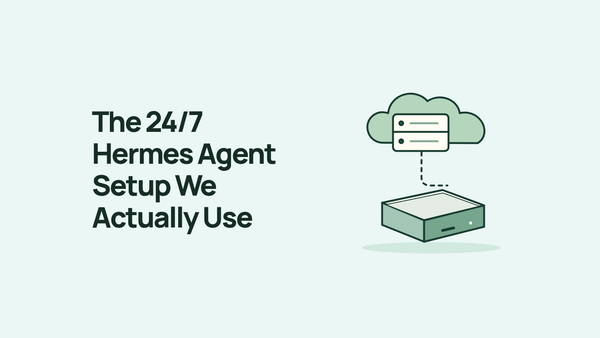
Hermes stays online on a cloud server, while Codex work moves between our MacBook and 128GB Mac Studio.
Loop engineering shifts the work from prompting agents to designing triggers, durable state, verification, limits, and human gates. Here is where it works and where it breaks.
Satya Nadella’s Reverse Information Paradox points to a real enterprise risk—but data leakage is only half the story. The deeper challenge is retaining what our teams teach AI.
A practical guide to taking AI-built prototypes beyond localhost: hosting, backends, databases, auth, and real-user readiness.
AI infrastructure demand is already leaking into hardware prices through memory and storage. The next shock may be the AI subscriptions companies are building workflows around.
Newsletter
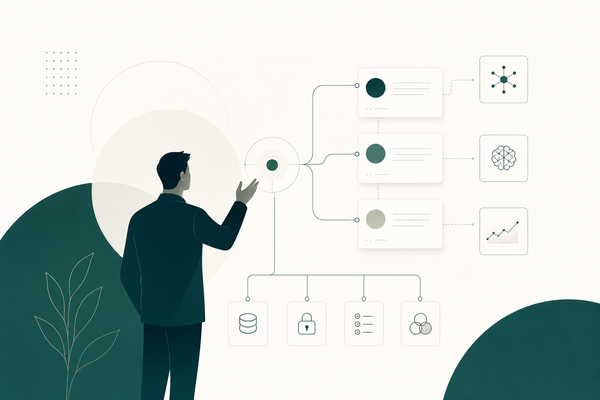
AI agents are moving from chat windows into real workflows. PMs now need to design delegation: memory, permissions, evaluation, orchestration, and accountability.
Newsletter
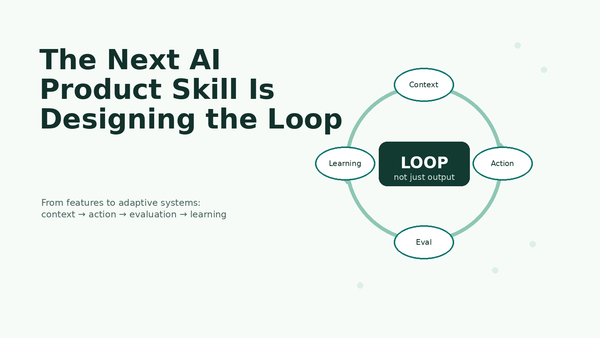
The next AI product advantage will not come from another AI button. It will come from designing the loop that turns model output into better work over time.
Newsletter
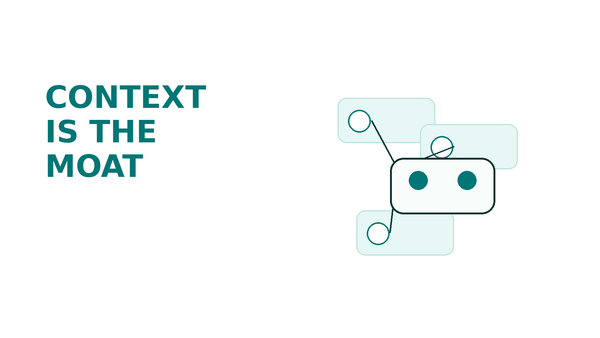
Model quality still matters. But the products that win will be the ones with the deepest context, the most useful memory, and the clearest permission layer around what agents can know and do.
Newsletter
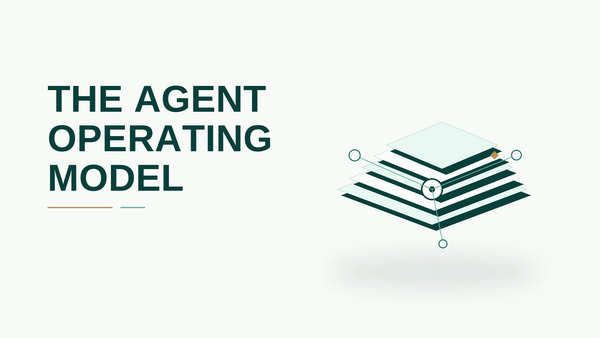
AI agents are moving from demos into the operating layer of work. The product opportunity is designing how humans, agents, context, permissions, reviews, accountability, and economics work together.
Newsletter
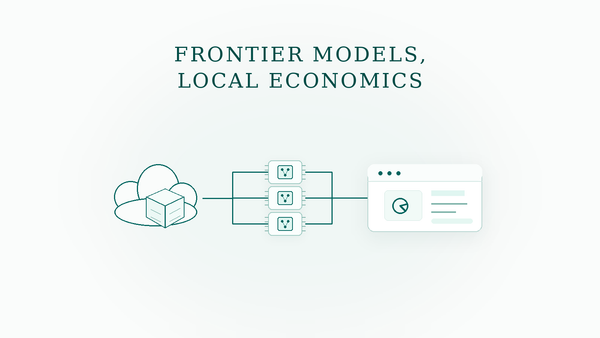
The next AI strategy question is not just which model is best. It is which model is economically right for this workflow.
Newsletter
Shopify’s River shows why the next internal AI-agent advantage may come from making work visible, searchable, and reusable.
Newsletter
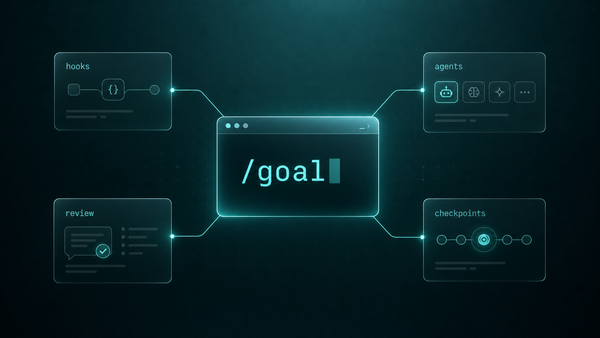
Claude Code’s /goal, hooks, checkpoints, and agents show where AI coding tools are heading: from chatbots to governable workflow-control layers.
Newsletter
Why the future of AI products is not one giant model everywhere, but a hybrid intelligence stack of frontier models, SLMs, open models, routing, and evals.
Newsletter
A practical 30-day guide for PMs learning AI: operate on real work first, brief models well, add context, test quality, and ship safe AI features.

AI
Everyone is celebrating how fast you can build. Nobody is asking whether you should.

Newsletter
Zapier says it has 800+ AI agents deployed internally, more than its employee count, and 89% AI adoption across all employees. Postman says its Agent Mode can save developers up to 1,150 hours per year. Cogent says customers have cut the time critical vulnerabilities stay open by 97%. The

Newsletter
Karpathy’s LLM wiki idea points to a bigger shift: AI products may win by maintaining compounding knowledge infrastructure, not just answering questions.